







Our thoughts on Genesis 28:10-32:2
Understanding Torah Portion: Vayetzei
A Closer Look at Genesis 28:10–32:2 (Part 1 of 2)
Welcome to another edition of Shabbat Lounge with Matt and Jake! In this post, we will explore Torah portion Vayetzei (Genesis 28:10–32:2). This section includes significant events in the life of Jacob, and we’re here to break it down, highlight key themes, and offer some food for thought. Let’s dive in!
The Ladder to Heaven: A Glimpse into Spiritual Connection
One of the most iconic images from Vayetzei is Jacob’s dream of a ladder reaching to heaven, with angels ascending and descending on it. This vision has been associated with spiritual ascent and connection between the divine and humanity. In John 1:43–51, Yeshua (Jesus) is seen as the “ladder” or “bridge” between heaven and earth. The text suggests that Yeshua embodies the role of connecting us to God, echoing Jacob’s vision.
This image of a ladder to heaven can also be contrasted with the Tower of Babel, where humanity attempts to reach heaven in a rebellious act. Unlike Babel, where people try to storm heaven on their own terms, Jacob’s ladder is about divine communication and God’s willingness to meet humanity at our level.
The Symbolism of a Rock: A Place of Rest or Struggle?
Jacob sleeps on a rock in this portion, a detail that stands out as both strange and symbolic. While rocks are generally uncomfortable places to sleep, this scene serves as a reminder that sometimes, in life’s struggles, the most unlikely places can be moments of profound divine revelation. Sleeping on a rock might suggest a sense of isolation or hardship, yet it is precisely in this uncomfortable place that Jacob encounters God’s presence.
Hebrew Wedding Imagery: The Tribe’s Names as Symbols
In this portion, the names of the tribes of Israel are introduced, and many scholars interpret these names through the lens of the Hebrew wedding model. The names of the sons of Jacob tell a story of a husband coming to collect his bride with much celebration. The meanings of these names are rich with symbolism and help to tell a larger story of relationship, unity, and covenant.
- Reuben: “See, a son”
- Simeon: “Heard”
- Levi: “Joined”
- Judah: “Praise”
- Dan: “Judge”
- Naphtali: “Wrestling”
- Gad: “Troop”
- Asher: “Happy”
- Issachar: “Reward”
- Zebulun: “Dwelling, Exalted”
- Joseph: “Fruitful”
- Benjamin: “Son of the Right Hand”
When considered together, these names reflect a narrative of unity and covenant, pointing towards God’s relationship with His people. The Hebrew wedding model is a key theme in understanding the covenantal relationship between God and Israel, which is echoed throughout Scripture.
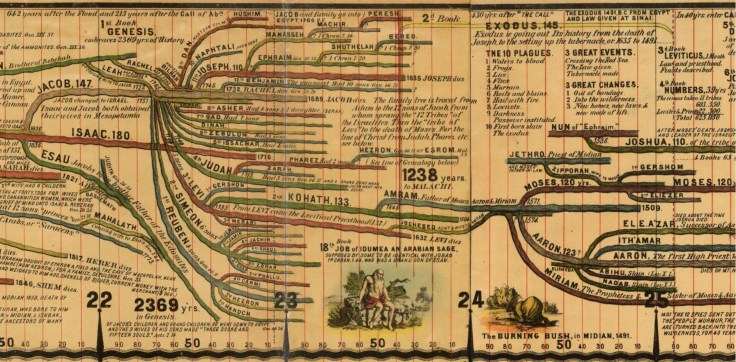
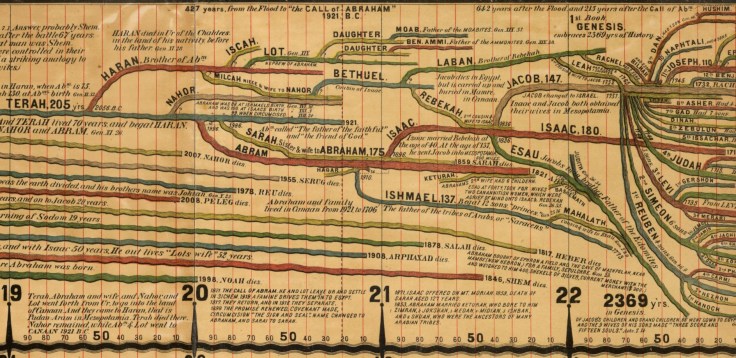
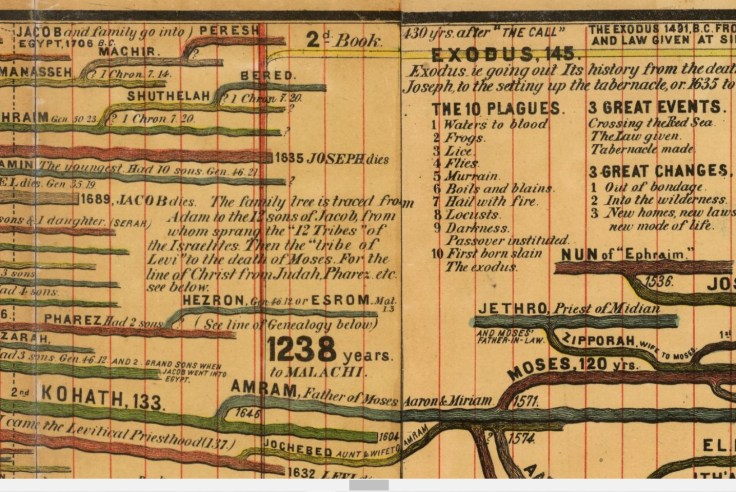
Genealogy: Tracing Jacob’s Line
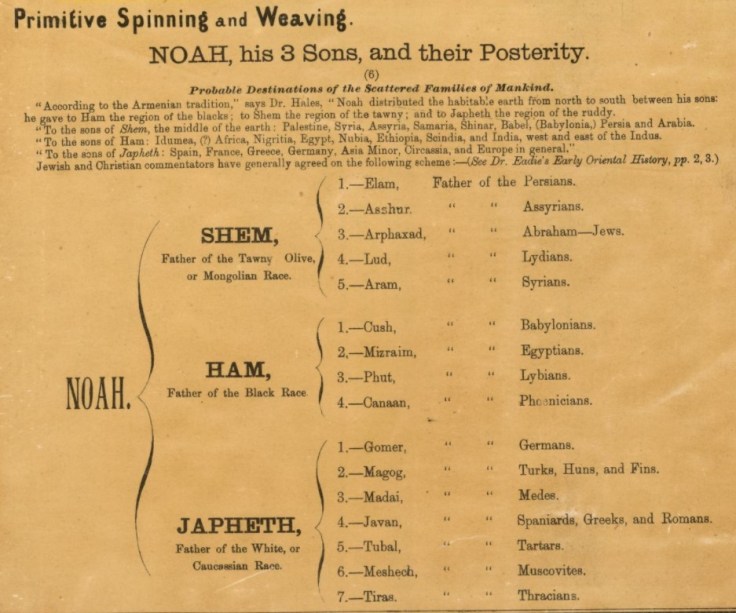
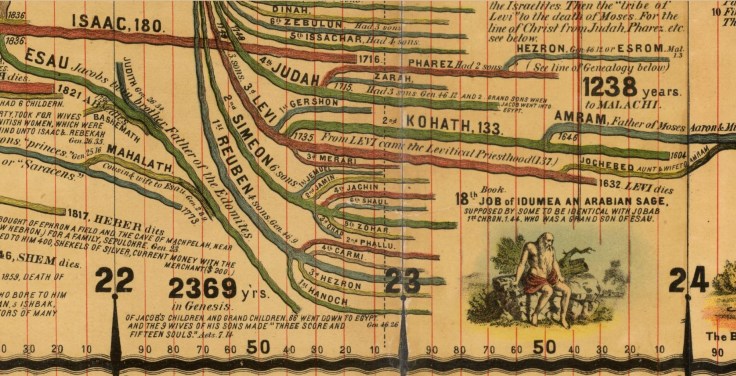
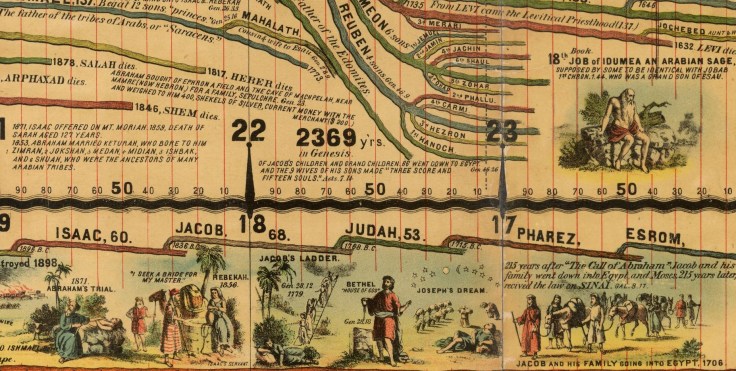
To better understand the significance of Jacob’s story, it is helpful to look at his genealogy. The connections between Jacob and his descendants are essential to grasping the larger biblical narrative. Genealogies like these not only establish lineage but also reveal God’s ongoing plan through human history. By studying the genealogy of Jacob’s family, we begin to see how each generation plays a role in God’s redemptive plan.
The Mystery of the Mandrakes
One of the more curious aspects of this portion involves the mandrakes, a plant that plays a role in the fertility struggles between Rachel and Leah. Mandrakes were believed by some to have magical or fertility-enhancing properties, and in ancient cultures, they were associated with superstition. Rachel’s desire for mandrakes highlights her desperation for children, while Leah’s willingness to trade them for time with Jacob emphasizes the competition between the two sisters. The mandrake story reminds us of the complexity of human desire, superstition, and the pursuit of God’s blessing.
It’s important to approach these biblical accounts with caution, as certain elements, such as the mandrakes, may have associations with pagan beliefs. While plants like these were used in ancient times, we should focus on the larger theological themes at play, especially the faithfulness of God in answering prayers for fertility.
The Spotted Lamb: Symbolism and Divine Provision
A unique story in this portion involves Jacob’s dealings with Laban over the spotted and speckled sheep. Jacob’s agreement with Laban centered on the idea that he would receive the speckled or spotted sheep as his payment, while Laban kept the pure white ones. This story can be seen as a metaphor for the “mixed multitude” that follows God—those who may not have been part of Israel by birth but are nonetheless grafted in.
The spotted lambs symbolize a departure from the idea of racial purity and point towards the broader theme of inclusion in God’s covenant. This is a precursor to later teachings, such as those in the New Testament, where Paul speaks of no longer distinguishing between Jew or Greek but recognizing all as one in Christ. Jacob’s success in this endeavor can also be seen as an example of God’s provision in unconventional ways.
The Character of Laban: A Man of Greed
Laban’s interactions with Jacob reveal his true character: a man motivated by self-interest and greed. Early in the story, Laban seems eager to welcome Jacob into his household, but it becomes clear that he sees Jacob’s blessings as a means to benefit his own wealth. This self-serving attitude serves as a warning about those who are willing to take advantage of others for personal gain. Jacob’s story with Laban contrasts with the integrity of his father Isaac and serves to illustrate how God’s covenant can remain steadfast even in the face of human deceit.
The Journey of Jacob and Laban: A Study in Faith and Struggle
Jacob’s Departure and His Struggle for Identity
The story of Jacob’s early life involves significant moments of deception and flight. As a young man, Jacob essentially fled from his family, taking only the clothes on his back as he escaped the anger of his brother, Esau. This act of running away reveals much about Jacob’s character and the challenges he faced in terms of establishing his identity. Unlike many stories of wealth and prosperity, Jacob had little to call his own when he first left home, as he had to work for everything he gained. The contrasts between his humble beginnings and those around him — such as the wealthy Laban — highlight the tension between material wealth and spiritual fulfillment.
The Role of the Spotted Sheep: Symbolism in the Bible
The story of Jacob’s dealings with Laban includes an intriguing moment involving the spotted sheep. These animals, chosen by Jacob to be part of his flock, offer rich symbolism. The idea of the “spotted” or “blemished” sheep resonates with the concept of sacrifice — an animal with flaws would not be accepted for sacrifice. In this context, the blemished sheep could represent sinners or those considered “imperfect” by human standards. Yet, in God’s eyes, all are welcome. Jacob’s work with the spotted sheep reminds us of how God embraces those who, in the eyes of the world, might be deemed less worthy. This idea mirrors the Biblical concept of salvation, where imperfections are transformed through divine grace.
Rachel, the Idols, and Spiritual Struggles
The next chapter in Jacob’s journey involves his wife, Rachel, and the strange event surrounding her idols. As Jacob and his family fled from Laban, Rachel secretly took household idols with her. These idols are believed to have had power in divination, giving her a form of security or a connection to her past life in Haran. This act of hiding the idols under her seat and claiming to be menstruating when questioned by her father is significant. It may reflect her attachment to her previous life, despite the fact that Yahweh had called her to a new path.
Rachel’s actions can be seen as a lack of trust in God’s provision and protection. Much like the Israelites who later struggle in the wilderness, she seems to cling to old ways of seeking security, unable to fully embrace the new identity and promises that God offers. This moment reminds us that even people of faith can be flawed, struggling with fear and doubt, as they leave behind their old lives.
The Deception of Laban: A Mirror for Jacob
Jacob’s journey is also marked by a dramatic moment when Laban deceives him into marrying Leah instead of Rachel. This act of trickery is a pivotal moment, showing that the “trickster” Jacob, who deceived his father Isaac to obtain the blessing, now experiences deception firsthand. This event challenges the simplistic view of Jacob as merely a trickster and invites us to consider the deeper spiritual implications of God’s involvement in their lives. Laban’s deception serves as a form of divine justice, showing that the schemes of men often come back to haunt them.
Leah and Rachel: An Examination of Marriage and God’s Plan
The dynamics between Leah and Rachel reveal much about the cultural values of the time and the ways in which Yahweh operates outside human expectations. Leah, who is described as having “weak eyes,” contrasts sharply with Rachel, who is beautiful and loved by Jacob. The story could be seen as a commentary on how God chooses and blesses in ways that are not always in line with human desires or preferences.
Leah’s fertility, in particular, stands out. Despite her being less loved, she bears many children, while Rachel struggles with infertility. This reversal of expectations highlights the central theme in Scripture that God’s will and timing do not always align with human notions of fairness or success. In God’s eyes, both women play important roles in the unfolding story of Israel.
Marriage and the Hebrew Wedding Model
The marriage of Jacob to Leah and Rachel also prompts questions about the Hebrew understanding of marriage. While many think of marriage as a contractual arrangement or a ceremonial union, the Bible often portrays it as a union of flesh and spirit — the two becoming one. In this sense, Jacob’s relationship with Leah, despite the deception surrounding it, can still be seen as a valid and legitimate marriage in God’s eyes. The union of Jacob and Leah, followed by his marriage to Rachel, highlights the deeper significance of commitment and covenant.
Conclusion: Lessons for Us Today
The story of Jacob, Leah, and Rachel is one of complexity and profound spiritual lessons. It shows us how God’s plans unfold, often in unexpected and sometimes difficult ways. The themes of deception, faith, and God’s ultimate sovereignty come together in this narrative, offering timeless lessons about trust and obedience.
As we reflect on this story, we are reminded that God is at work in all aspects of our lives — even when we can’t see it or fully understand His ways. Like Jacob, we may face struggles and moments of uncertainty, but we are also called to trust in God’s promises and remain faithful as He shapes our destinies. The journey of Jacob and his family invites us to think deeply about our own spiritual journey, asking whether we are fully trusting in God’s plan or holding on to the past, much like Rachel’s idols.
Final Thoughts
As we continue to explore these ancient stories, it is important to delve into the deeper meanings and personal lessons they offer. The lives of these biblical figures, flawed as they may be, remind us of the humanity we all share. In our struggles and imperfections, God still works in us, leading us toward His purposes. Whether it’s through Jacob’s journey or the complexities of his relationships with Leah and Rachel, there is much to learn about faith, trust, and God’s grace.
Take time to reflect on these stories and their relevance to your own life. Seek understanding, dive deeper into your studies, and let these lessons shape your faith.


Leave a comment