







Our Thoughts on Genesis 23-28:18
Talking Torah, Week 5 – The Life of Sarah
We’re diving into the Torah portion The Life of Sarah (or Chayei Sarah in Hebrew). Before we dive deeper into the text, I want to give a quick plug to a great resource—this handy book by Stephen Pigeon. It helps keep track of the Torah portions and gives you space to make notes as you go. It’s a great way to stay organized while studying the Torah. A lot of different folks offer these kinds of resources, so it’s definitely worth checking out if you’re serious about following along with the weekly portions.
A Quick Overview of The Life of Sarah
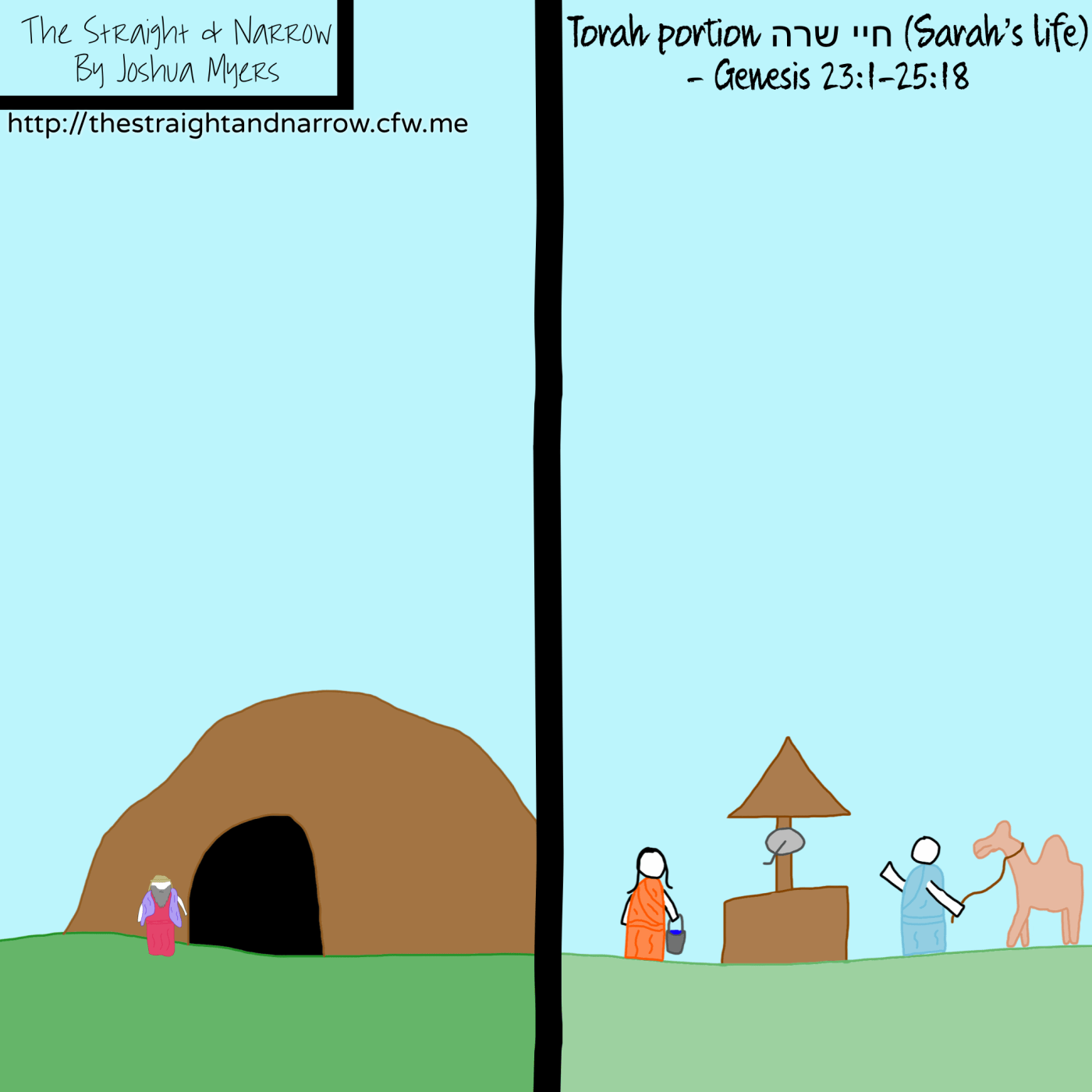
In this portion, we see Sarah’s passing, Abraham’s purchase of land for her burial, and the search for a wife for Isaac. It’s a mix of heavy topics and powerful moments, with some deep lessons to take away.
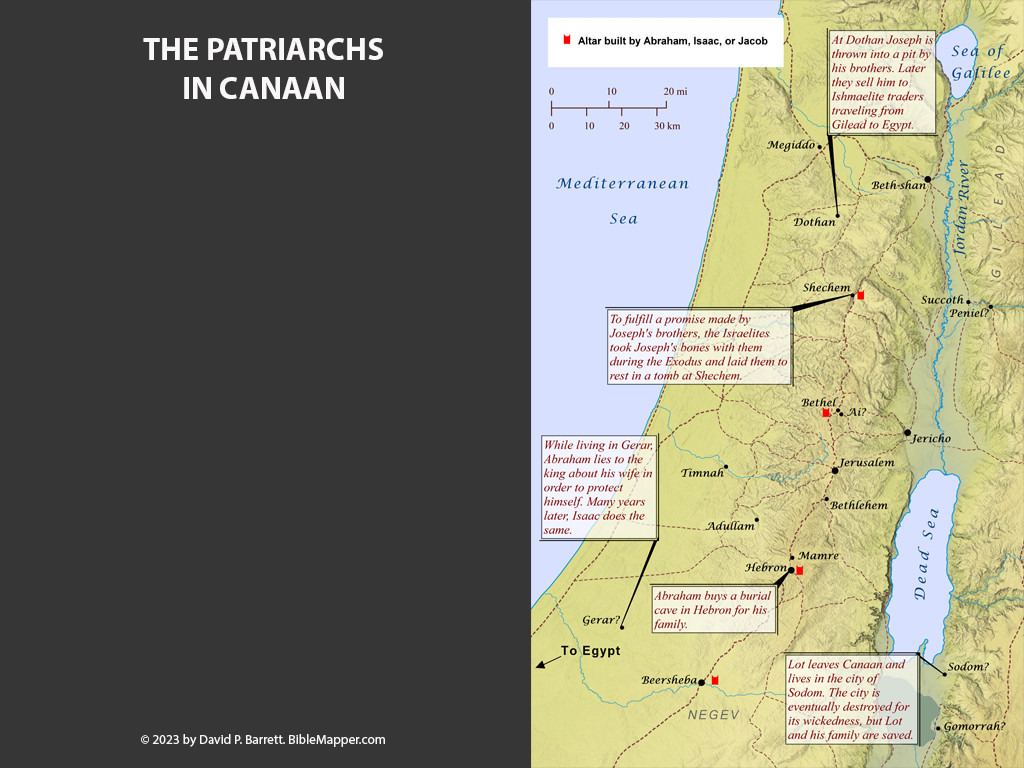
Mamre: The Place Abraham Loved
As we start, the text mentions Mamre, a place Abraham frequented. If you look up the Hebrew word “Mamre,” it translates to “strength” or “fatness,” which could symbolize the richness of the land. Abraham spent a lot of time in an oak grove there, and it’s worth noting that this spot seemed to offer comfort and peace. It’s important to understand that this wasn’t just a random place—Abraham felt a deep connection to it, much like how we might feel about a favorite spot in our own lives.
Abraham’s repeated visits to this grove likely meant it was his “happy place,” the spot where he felt connected to nature and found solace.
The First Land Purchase: A Promise Fulfilled
In this portion, Abraham makes the first official land purchase in the promised land. He buys a burial site for Sarah from a Hittite named Ephron, solidifying his claim to the land. This is significant because it marks the beginning of the fulfillment of the promises God made to Abraham about his descendants inheriting the land.
What’s especially interesting here is that Abraham doesn’t just claim the land for free—he pays a fair price for it. He doesn’t take the land as a gift, and he ensures that the transaction is legitimate. It’s a reminder that even in matters of faith and divine promises, there is responsibility and respect for the process.
The Story of Isaac’s Marriage: A Prophetic Picture
Next, we move to the story of Isaac finding a wife, a tale that is both beautiful and prophetic. Abraham, concerned about his son’s sadness, sends his servant Eliezer to find a wife for Isaac from among his relatives in Haran. This is a key moment, as it connects the idea of faith and marriage in a profound way.
Eliezer’s mission to find the right wife for Isaac is not just a family matter; it’s a prophetic gesture that points to God’s guidance in choosing the right partner. It’s a powerful reminder that when making decisions, especially big ones like marriage, it’s important to be discerning and to seek divine direction.
The Hebrew Wedding Model: A Prophetic Parallel
As we dive deeper, there’s an interesting connection to the Hebrew wedding model here. You can see a parallel between Abraham’s servant and the Holy Spirit. The servant’s role was to find a suitable bride for Isaac, just as the Holy Spirit prepares and gathers believers for Christ. There’s also a covenant meal, which foreshadows the Passover and ultimately, the marriage supper of the Lamb.
Another point is that the bride (Rebecca) has the choice to agree. She doesn’t have to marry Isaac, but she chooses to. This speaks to our free will when it comes to our relationship with God—He offers the invitation, but it’s up to us to respond.
The Family Tree: Who Is Rebecca?
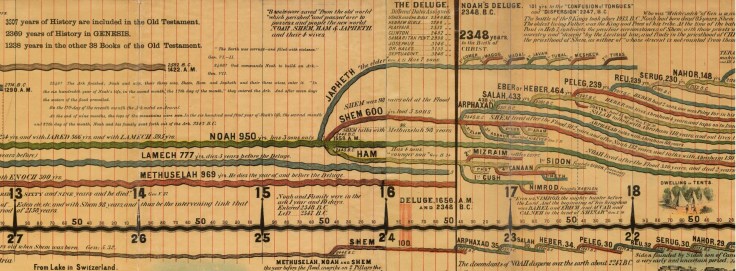
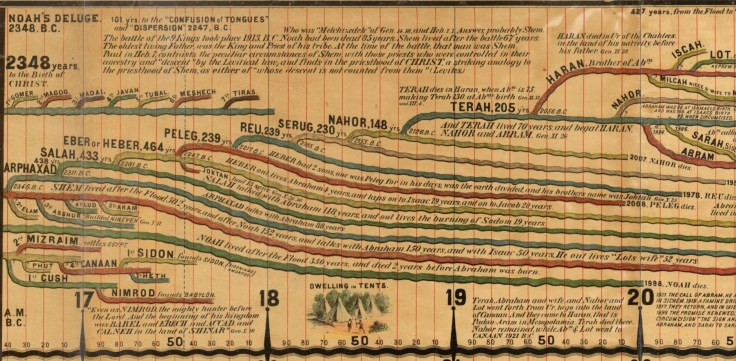
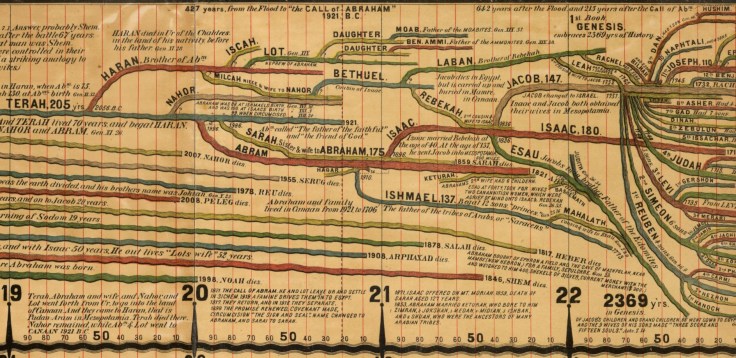
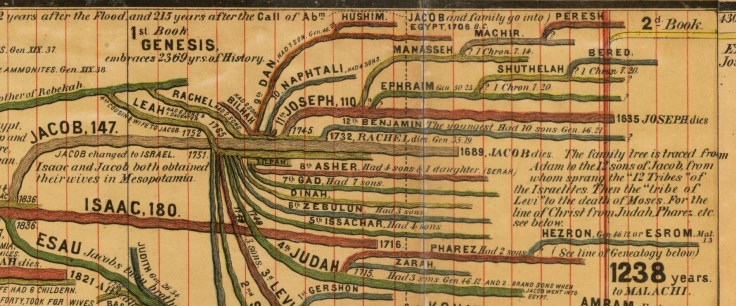
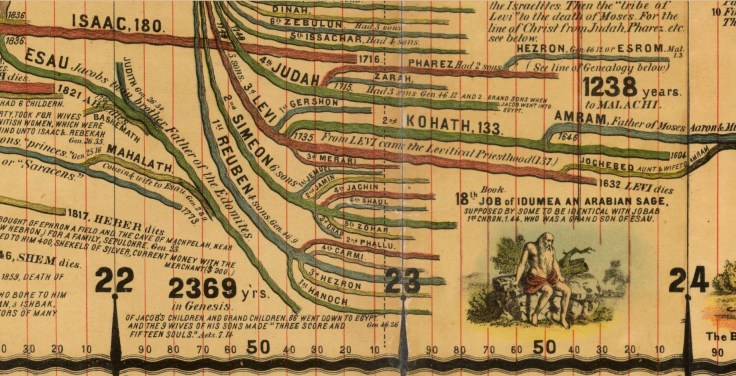
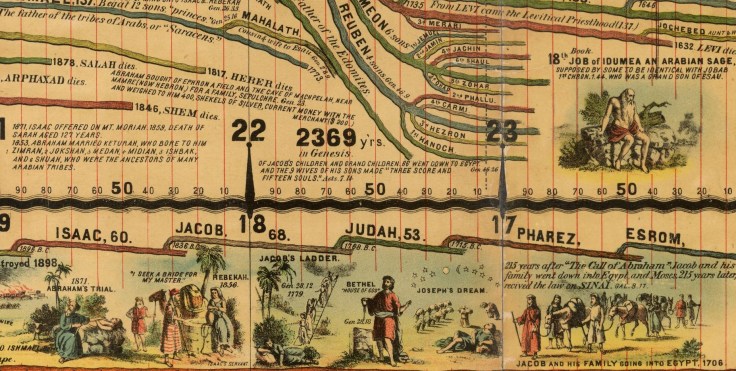
Now, the family tree can get a bit confusing here. Rebecca, Isaac’s future wife, is from Haran, and she is a descendant of Abraham’s brother Nahor. This connection ties Rebecca directly to Abraham’s family, highlighting the importance of keeping marriages within the family in this context. It’s another nod to the idea that when choosing a spouse, it’s important to seek someone who shares your faith and values, much like the biblical tradition.
Rebecca’s decision to marry Isaac is significant. She veils her face when she sees Isaac, which becomes a common bridal tradition. It’s a symbol of modesty and respect, marking the beginning of a new chapter in her life.
A Prophetic Picture of the Bride and Groom
The journey of Isaac and Rebecca also mirrors the concept of the bride being prepared for the groom. Abraham, the father, sends the servant to find the bride, just as the Father (God) prepares the bride for His Son (Jesus). The bride’s decision is crucial, but she leaves her family behind to join her future husband. This echoes the biblical theme of “crossing over” or leaving the past behind in order to enter a new life.
In many ways, this is also a picture of the end times—how the Holy Spirit is preparing the bride (the Church) for Christ. The bride is brought to the groom, and there’s a celebration of the marriage.
The Journey of Faith and Prophecy
What makes this whole story even more powerful is how it ties into prophecy. Abraham’s life was prophetic, and his actions show us how God works in and through us, even when it’s not always clear. Sometimes, as Abraham did, we need to take a step of faith, even when the full picture isn’t in front of us.
Just like the servant’s journey to find Rebecca, we too are on a journey—sometimes uncertain, sometimes full of challenges. But just as the servant trusted Abraham to lead him, we trust in God’s plan, knowing that He’s working things out for good.
Conclusion: Always Something New in the Torah
So as we wrap up Week 5 and look at The Life of Sarah, we reflect on the faith, wisdom, and prophecy within these stories. There’s always something new to discover in the Torah, and each time we read it, we learn something deeper. We hope that today’s discussion has sparked some new insights for you, and that you’ll continue exploring the text yourself.
Remember, always go back to the word and study it for yourself. Resources like books, commentaries, and even technology today make it easier than ever to explore the deeper meanings of the Torah and connect with others who are on this journey.


Leave a comment