








Our Thoughts on Genesis 18:1-22:24
Talking Torah “He Appeared” – Who Is This “He”?
So, how does the Torah portion begin? We’ve got the phrase “he appeared,” which refers to Yahweh showing up. This is an important moment, especially in the context of what’s happening in this passage. Keep an eye on this, because as we’ll see, it sets the tone for the rest of the story.
A Feast, Some Mercy, and a Little Judgment
As we get into the meat of the story, we find that Abraham receives some angelic visitors who sit down to share a meal with him. Jake pointed out that this scene could be seen as a kind of “last supper” moment. The guests wash their feet and have a meal, which might sound familiar, but after that, things take a sharp turn.
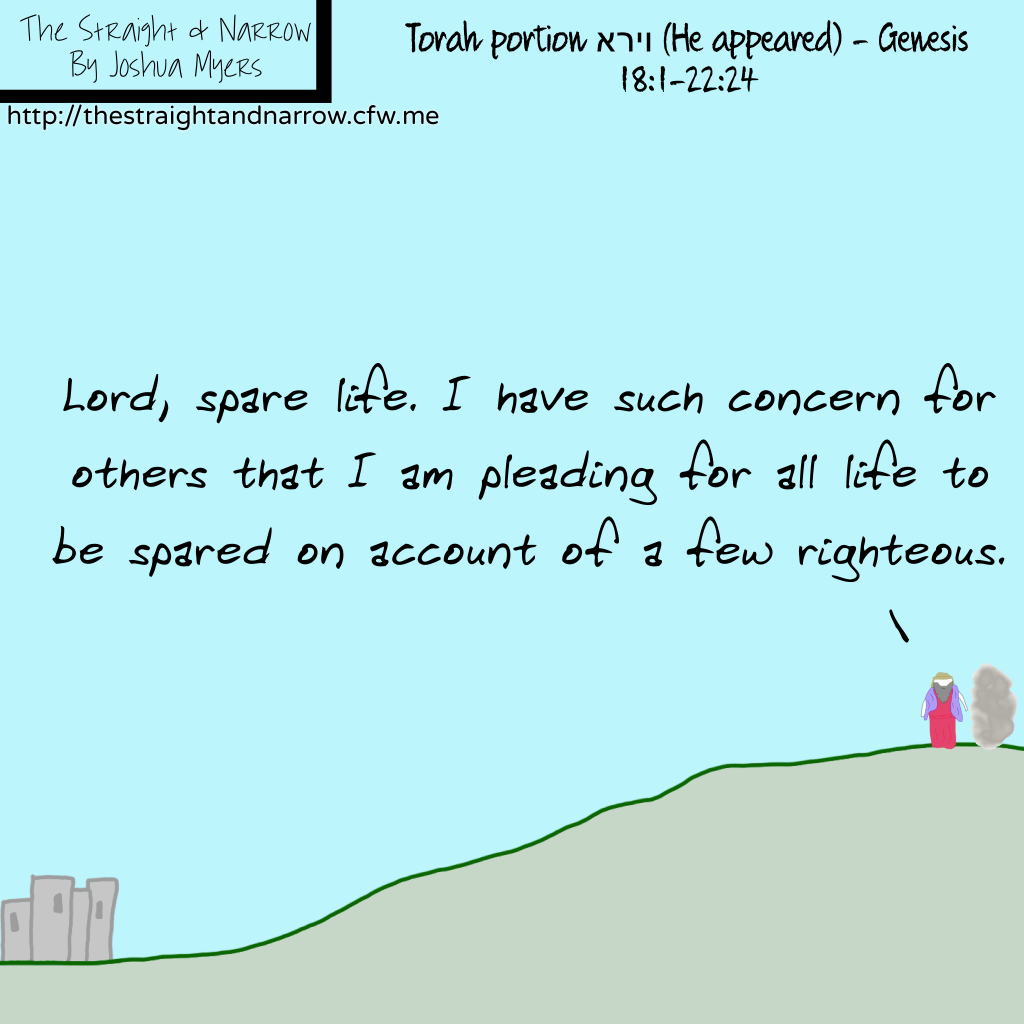
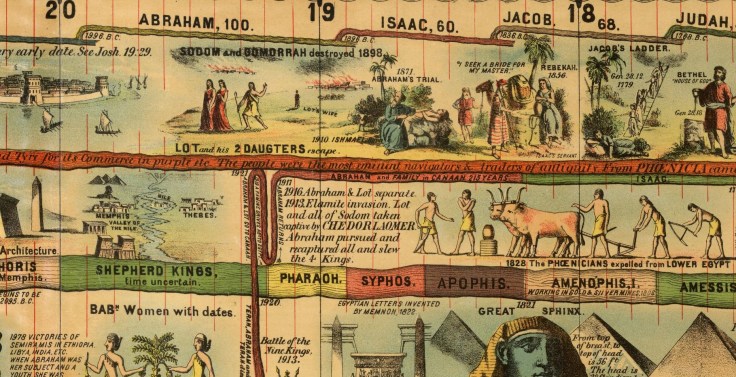
This is where we get into some heavy themes, like mercy and judgment. You see, Lot and his family get a chance to escape Sodom before it’s destroyed. In many ways, the scene plays out like the Feast of Trumpets, with the outcry and urgency of judgment. And just like on the Day of Atonement, we see mercy at play when Yahweh listens to Abraham’s negotiation and allows Lot to escape.
Lot and the Outcry – The People Are Crying Out
Now, it’s worth noting that there’s an “outcry” mentioned in the text. But who exactly is crying out? Is it the land itself, which has been soaked in the blood of the wicked? Is it Lot’s family, or perhaps the victims of Sodom’s depravity? The text doesn’t make it crystal clear, but the point is, Yahweh hears the outcry and responds.
This could be viewed as a kind of sped-up version of the biblical feast days and what they represent—judgment, mercy, and ultimately, the destruction of the wicked. It’s an interesting pattern to think about in light of end-times events.
A R-Rated Portion: Lot, His Daughters, and the Dark Side of Desperation
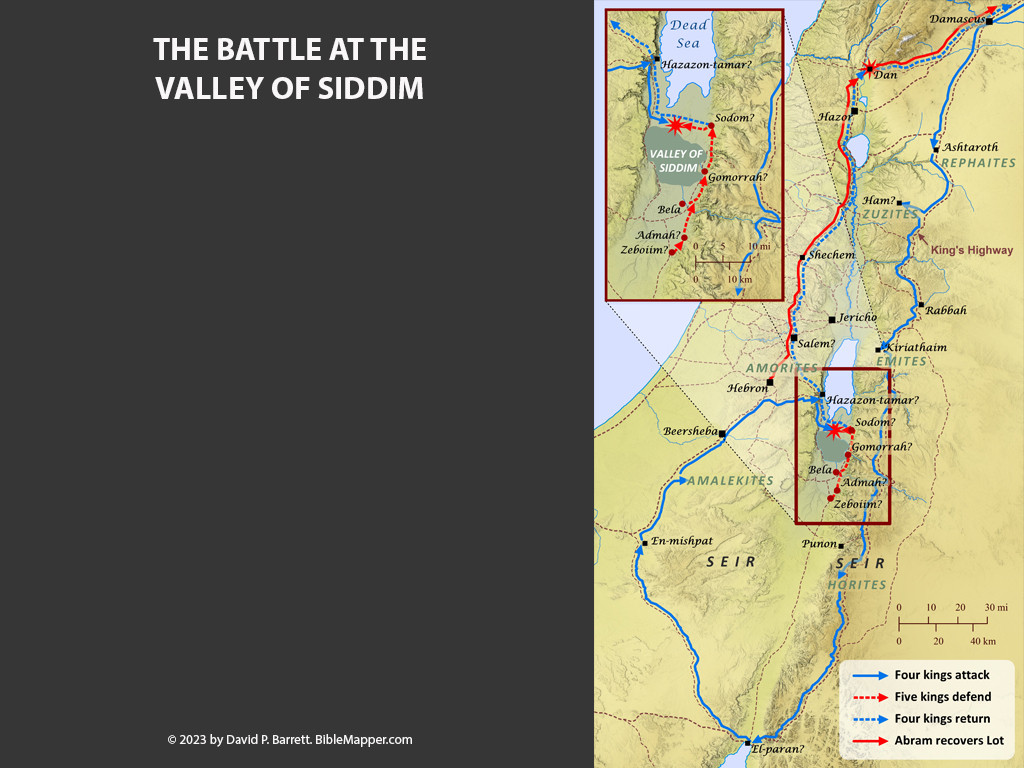
Now, things take a pretty dark turn when we get to the whole Sodom and Gomorrah destruction. This is one of those “R-rated” moments in the Bible. As Lot pleads with the people to leave him and his guests alone, we’re confronted with some ugly truths about human desperation. Lot even offers his daughters to the crowd to protect the angels, a shocking and disturbing moment that highlights the depravity of the city.
This is a reminder of how bad things can get in the last days. People often do desperate things when they’re cut off from morality and righteousness.
Lot’s Wife – Don’t Look Back!
As Lot and his family flee the city, Lot’s wife disobeys the warning not to look back at Sodom. We all know the result: she turns into a pillar of salt. But this act of looking back is more than just physical; it’s symbolic. Just as Abraham was called to leave his past behind in the land of Ur, so too is Lot’s family called to leave behind the corruption of Sodom. Looking back represents longing for the sinful world they were told to leave.
It’s a reminder for us today: don’t look back at Babylon or your former life once you’ve been called out. Keep moving forward.
The Aftermath – The Drunken Father and the Moabites
After the destruction of Sodom, Lot gets drunk and something terrible happens with his daughters. They decide to get him drunk again and, believing that the end of the world is near, they sleep with their father to preserve their family line.
This story leaves us with a lot of “eww” moments. But it’s also a reminder of how desperate people can get in the last days. They’re making decisions based on fear and misunderstanding, which results in a long-lasting consequence: the birth of the Moabites and Ammonites, two nations that will be enemies of Israel for generations.
The Promise of Isaac – Testing Abraham’s Faith
Now, let’s fast forward to one of the most pivotal moments in Abraham’s journey: the sacrifice of Isaac. Yahweh asks Abraham to sacrifice his only son as a test of faith. Abraham, without hesitation, prepares to obey.
There’s something powerful here: Isaac could have fought back, but he doesn’t. Instead, he willingly submits to his father’s direction. It’s a picture of obedience and trust in Yahweh, even when it seems like everything is falling apart.
But here’s the twist: as Abraham raises the knife, Yahweh stops him and provides a ram caught in a thicket as a substitutionary sacrifice. The symbolism here is rich: the ram’s thorns remind us of the crown of thorns that Yeshua (Jesus) would later wear. It’s a powerful foreshadowing of the ultimate sacrifice.
Mount Moriah – The Future of Jerusalem?
Another fascinating detail is that the story happens at Mount Moriah, which is later known as the site of the Temple Mount in Jerusalem. Some believe this is the very place where Yeshua was crucified, and the blood of the Lamb could have spilled down onto the Ark of the Covenant.
It’s amazing to see how these ancient events point to the future and the fulfillment of Yahweh’s ultimate plan of redemption through Yeshua.
The Oaks of Mamre – Rest and Refuge
Earlier in the story, we hear about the oaks of Mamre, where Abraham and his guests rest. This is a place of refuge, protection, and comfort. Some believe that these oaks represent spiritual rest, a reminder of the peace and shelter we can find in Yahweh.
A funny note: we found a cartoon that humorously imagines Lot’s wife thinking about whether being turned into salt was worth it. Spoiler: probably not!
Sodom and Gomorrah – A Reminder of Judgment
The destruction of Sodom and Gomorrah is often tied to the concept of end-times judgment. The fire and brimstone that fell upon these cities is seen as a precursor to the final judgment. Some even argue that the explosion that destroyed Sodom could be connected to the Dead Sea’s geographic location—perhaps a cataclysmic event that still leaves a lasting reminder today.
Conclusion – Stay Vigilant and Be Prepared
As we wrap up today’s Torah portion, there’s a lot to reflect on. There’s mercy, judgment, faith, and the consequences of turning away from righteousness. There’s also hope in the ultimate sacrifice made by Yahweh for His people, as shown in the story of Isaac and the ram.
So, as you read through these passages, keep an open mind and let the layers of meaning unfold. There’s more in this portion than we can cover in just one sitting, but we hope this overview helps you dig a little deeper!


Leave a comment