



Our Thoughts on Genesis 12:1-17:27
Exploring the Call of Abram: A Deep Dive into Week 3 of the Torah Portions
Welcome to another edition of *Shabbat Lounge*! Today, we’re diving into the Torah, and specifically, the third week of the Torah portions, where we explore the story of Abram. But before we get into the details, let’s pause and reflect on the significance of this moment in Scripture.
Abram, Not Yet Abraham
In this week’s portion, we meet Abram—before his name is changed to Abraham. This is a significant point because Abram’s journey sets the stage for his transformation, both in name and in faith. At this stage, he is just beginning his walk with God, and we’re about to see how his obedience becomes a foundational model for all believers.
The Art and Interpretation
As we examine the artwork illustrating this story, there’s a lot of speculation about who is who. The image likely represents Abram, Sarah, Isaac, and possibly Ishmael. It’s always interesting to interpret these visuals, though it’s clear they’re not meant to be historically accurate representations. The figure in the middle might be Sarah, but it’s open to interpretation, especially with the figures of Isaac and Ishmael depicted in various ways.
The Geography and Origins of Abram
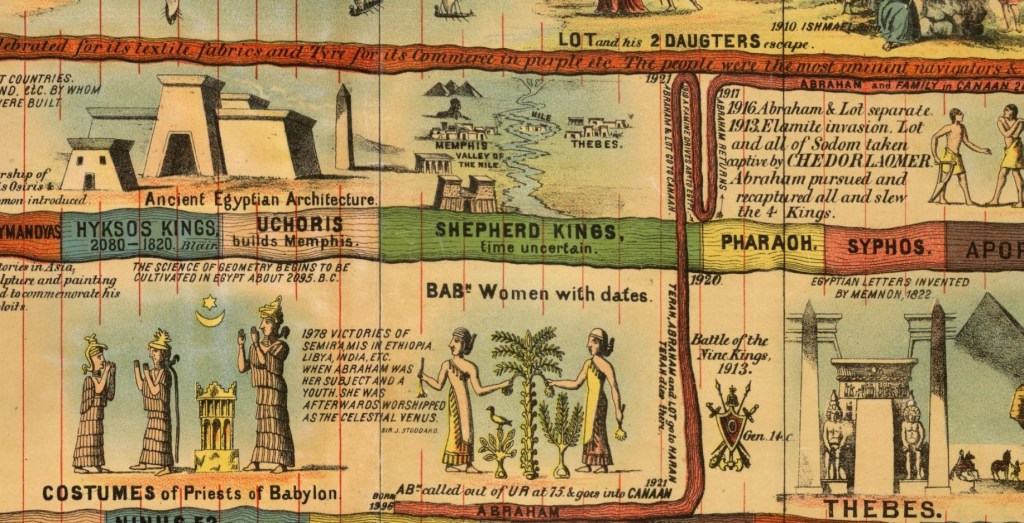
Abram’s story begins in Ur of the Chaldeans, a place located in modern-day Iraq. Ur was known for its impressive ziggurats—towering step-pyramid structures used for religious purposes. It’s fascinating to think about Abram’s life in this bustling city of idol worship, which would eventually be replaced by Babylon, the empire that would shape much of biblical history.
After the Tower of Babel and the dispersal of people, Abram’s story continues in this region. But what’s even more remarkable is that Abram was called out from a life of idol worship to follow the One True God. Just as God called the people of Israel to separate from the nations, Abram was also called to leave his earthly family behind and embark on a life of obedience to God’s commands.
The Call and The Faith of Abram
One of the most remarkable aspects of Abram’s story is how he immediately responds to God’s call. No questions asked, no hesitation. He leaves everything familiar behind—the life in Ur, his father’s household, his community—and follows the voice of God. It’s a profound act of faith, and it’s one that mirrors the calls that we see later in Scripture, such as Jesus’ call to his disciples to leave everything behind and follow Him.
In fact, when Jesus talks about who His true family is, He says, “Who are my mother and my brothers? Those who do the will of my Father. ” Abram’s willingness to leave his earthly family echoes this principle, where the will of the Heavenly Father comes first.
The Journey: From Ur to Shechem
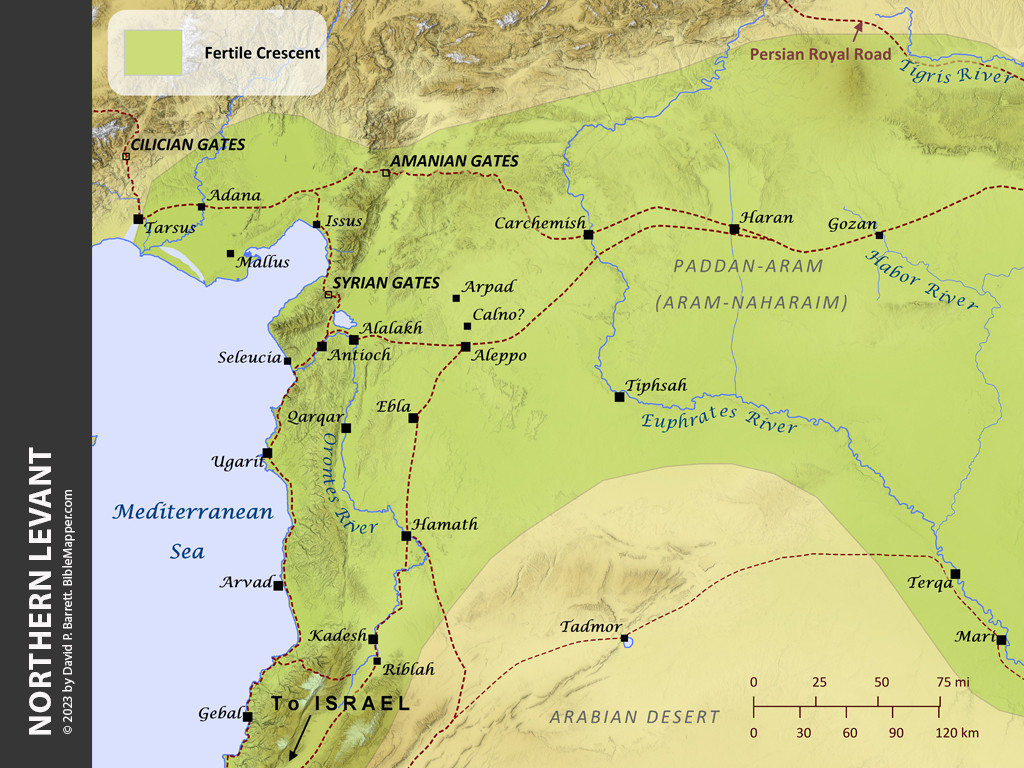
As we look at the maps that show Abram’s journey, we realize how significant and challenging it must have been to travel such great distances. The journey from Ur to Shechem—part of modern-day Israel—was no small feat. Today, it’s easy to jump in a car or a plane, but back then, this kind of journey would have taken great preparation and commitment.
Looking at the geography of it all, we also gain a better understanding of the context. The region was vast, and each move Abram made carried spiritual significance. At one point, he ends up in Shechem, where God makes a covenant with him, promising him that his descendants will inherit the land. It’s a pivotal moment in the biblical narrative.
Abram’s Character: Choosing the Narrow Path
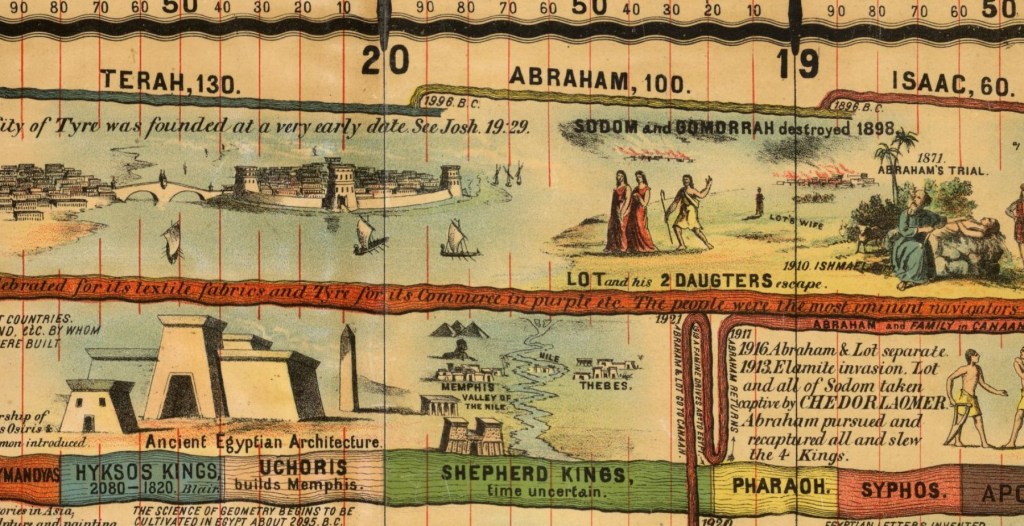
One of the more interesting aspects of Abram’s story is his relationship with his nephew Lot. When the two of them part ways, Abram allows Lot to choose the land he wants, giving him the best portion of the land. Abram, on the other hand, takes the less desirable land. This shows his mature and generous character, as well as his trust in God’s provision.
Lot, however, chooses the lush plains of the Jordan, and we know what happens next—he eventually moves toward Sodom, a city notorious for its wickedness. Abram, on the other hand, takes the more difficult, narrow path, trusting in God’s plan for his life. This serves as another reminder of how we, too, must choose the more difficult, yet faithful, path that leads us closer to God.
Abram’s Faith in Action
Throughout this portion of the Torah, we see a consistent theme: Abram’s faith is not passive. It’s active. When God tells him to go, he goes. When God promises him a son, despite his old age and his wife Sarah’s barrenness, he believes. Abram’s life is a model for us. If we claim to be children of Abraham, as Jesus and Paul both tell us, then we must be willing to follow his example and do the works of Abraham. His life of faithfulness and obedience shows us the pattern of what it means to walk with God.
The Importance of Timelines and Historical Context
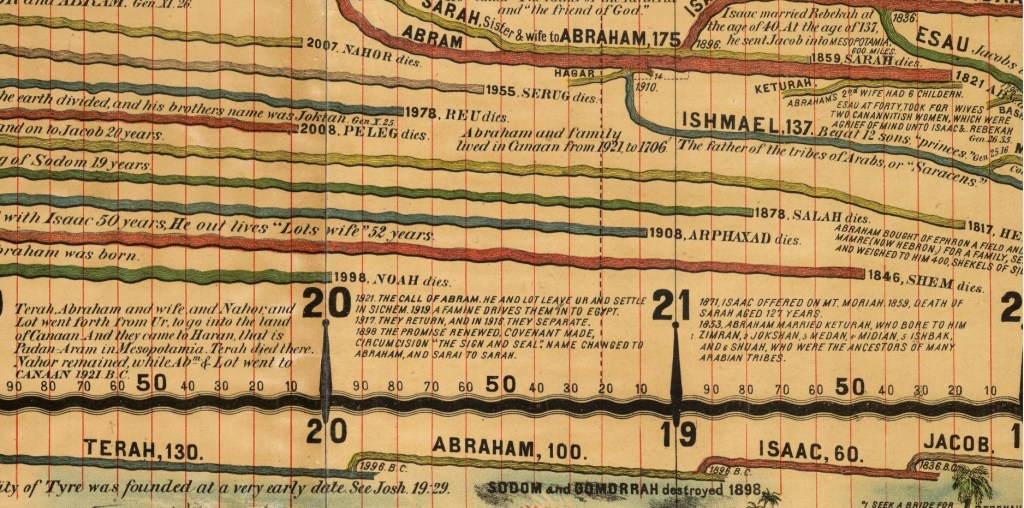
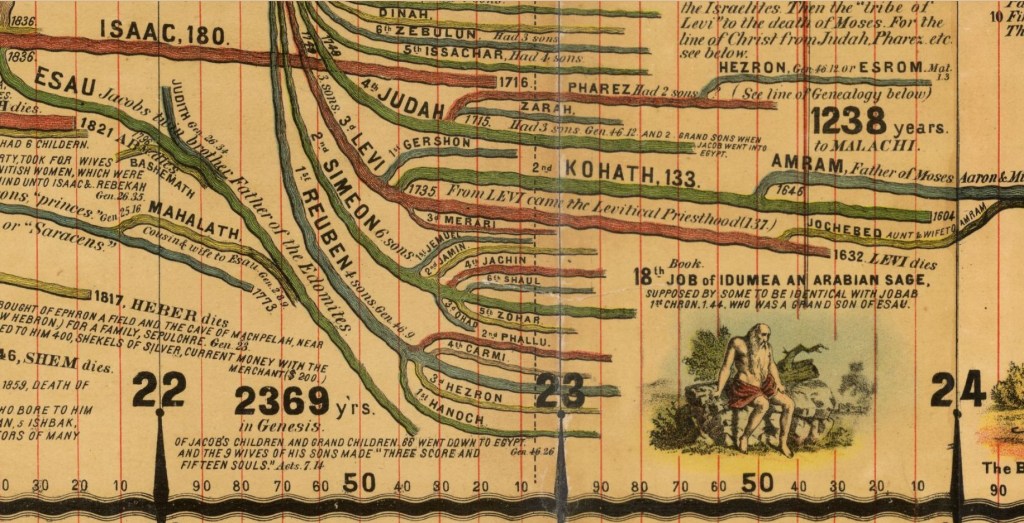
As we reflect on Abram’s story, timelines and geography become essential tools in helping us understand the scope and context of these events. The biblical narrative spans centuries, and it’s easy to lose track of the historical and geographical details that shape the story. Using resources like interactive maps and timelines can help bring clarity to the journey Abram undertook and the larger biblical story.
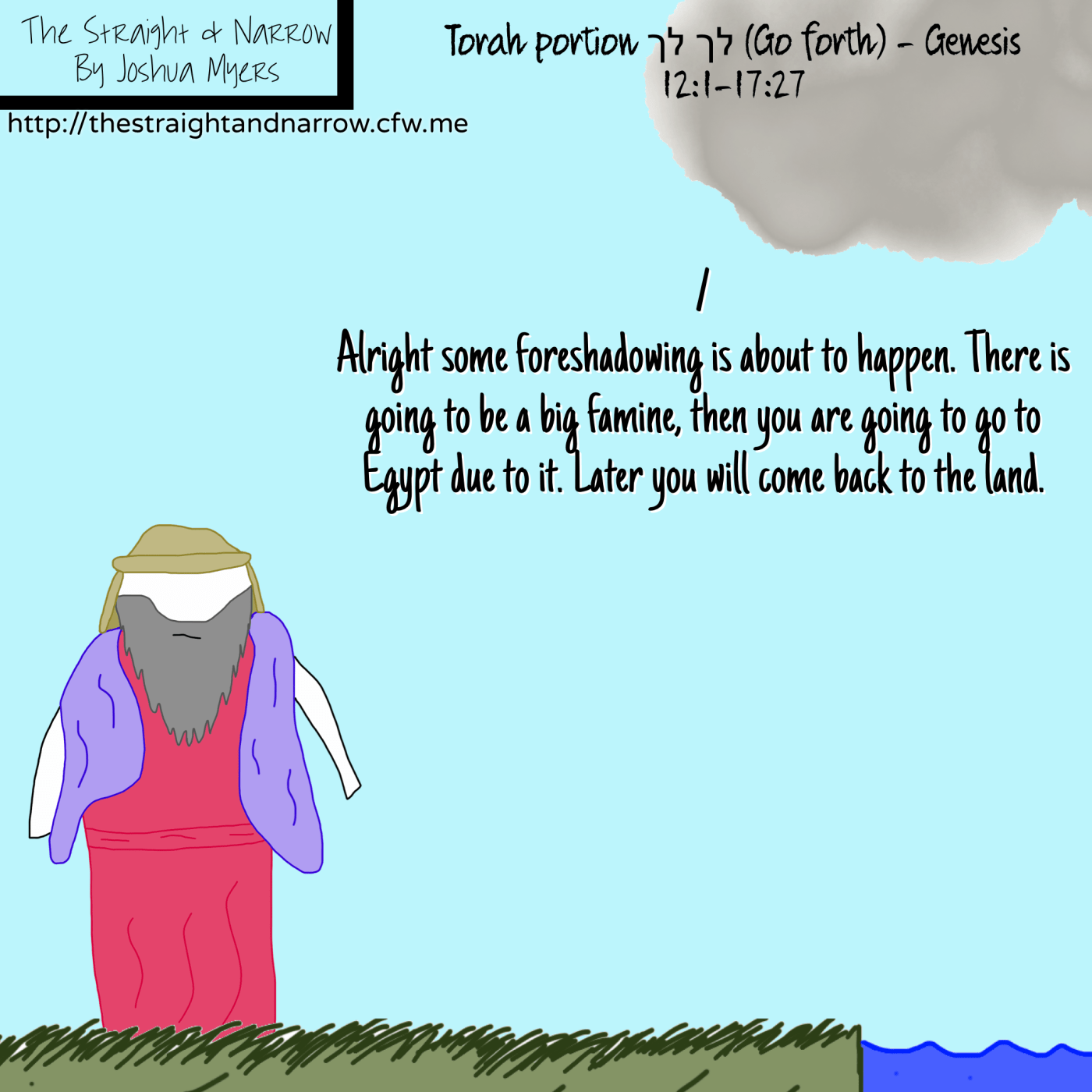
We also discussed how understanding the context of the time helps us understand the significance of events like Abram’s interaction with Pharaoh and the lying about Sarah being his sister. It’s a strange episode in Abram’s life, but it’s part of his journey of growth and learning to trust God in every situation, even when faced with great personal risk.
The Challenge to Leave Babylon
The story of Abram is not just about one man’s obedience; it’s a call for all of us. Abram was called out of Babylon, a place of idolatry and confusion, and was told to follow the ways of the true God. This idea of being “called out” is a theme that continues throughout the Bible. Just as God called Abram to separate from his idolatrous past, He calls each of us to turn from the ways of the world and follow His ways.
This is especially poignant when we consider that Abram didn’t have all the answers. He didn’t fully understand what it meant to follow God’s commands, but he trusted. He obeyed. And in doing so, he became the father of faith for all who would follow God.
In Conclusion: Following Abram’s Example
As we reflect on Abram’s journey, we’re reminded of the importance of following God’s call, even when it means stepping out into the unknown. Just like Abram, we’re called to leave behind the comfort of the world’s ways and trust in God’s promises. His story challenges us to actively live out our faith, even when it requires difficult decisions.
So, we encourage you to take some time this week to read the story of Abram in Genesis. Reflect on his life and his journey, and consider how you, too, are being called to follow the ways of God. As we continue our Torah portion study, let’s remember that following God requires action, faith, and trust—just as Abram showed us.


Leave a comment