Genesis 6:9-11:32

Scientific proof of the Biblical Flood!
Watch the video below for a young earth geologist that proves the earth was flooded.
Posted 2024.





Our Thoughts on Genesis 6:9-11:32
Torah Talks: A Journey Through Noah’s Story
Welcome to another episode of Shabbat Lounge! Today, we’re diving into the second Torah portion, which focuses on the story of Noah. We’ve got Matt and Jake here, ready to walk you through this fascinating chapter in Genesis. But before we get into all the deep discussion, let’s get things started with a little vocal warm-up. You know the kind — Peter Piper, picked a peck of peppers. Alright, it sounds a bit goofy, but hey, it’s all part of the process!
Now, let’s get into Noah’s story — and there’s a lot to unpack here. This week’s Torah portion is all about Noah, a righteous man in his generation (yes, righteous indeed!), and the events surrounding the great flood. So, as we explore this portion, we’ll also reflect on some interesting tidbits that might surprise you.
The Ark: A Covering for Humanity
First off, Noah was tasked with building the ark — a massive, boat-like structure that would save him, his family, and the animals from the impending flood. The word “covering” here is especially significant. It’s reminiscent of the wedding model where a man builds a house (or covering) for his bride, which makes Noah’s task all the more profound. He built this covering out of pitch, which is closely related to atonement in Hebrew — a symbolic act of sealing and protection. It’s as if Noah was covering the world in a sense, much like atonement is meant to cover sins.
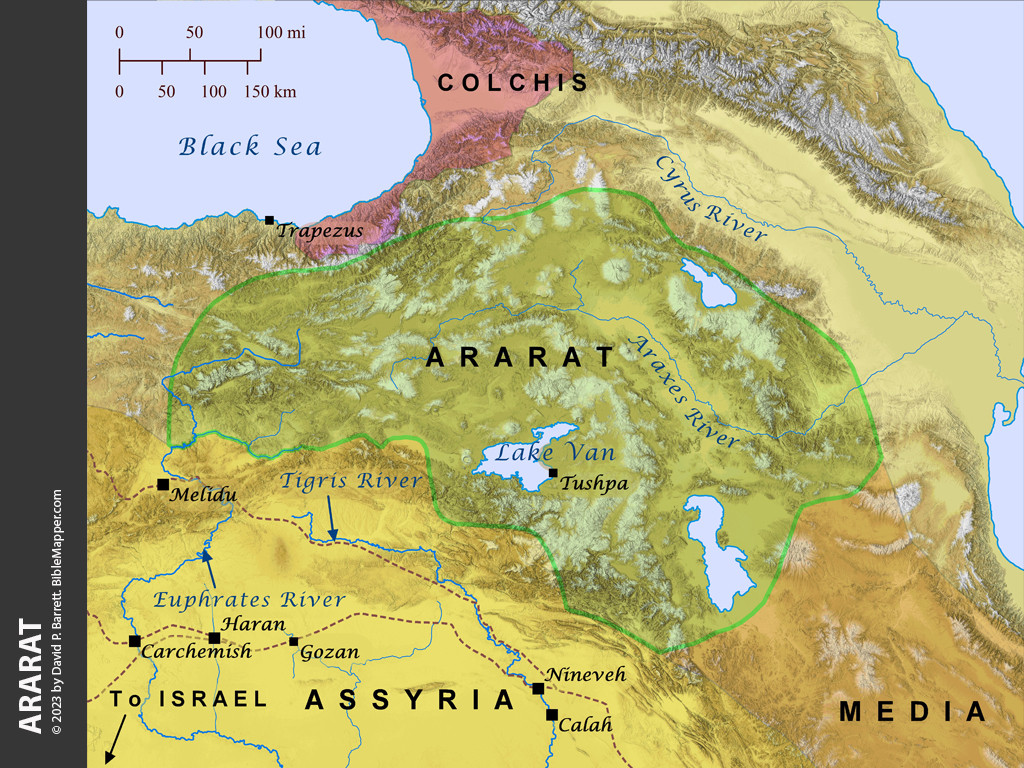
Once Noah completed the ark, he sealed it up, and the flood began. This event is often compared to a ritualistic “water baptism” — a sort of cleansing for the world, as the old was washed away, making way for a new beginning.
Who Was on the Ark?
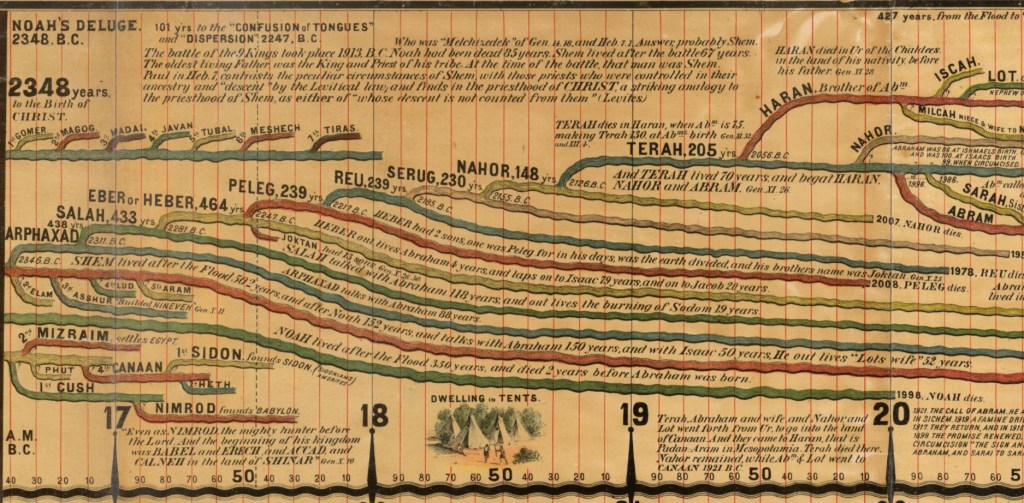
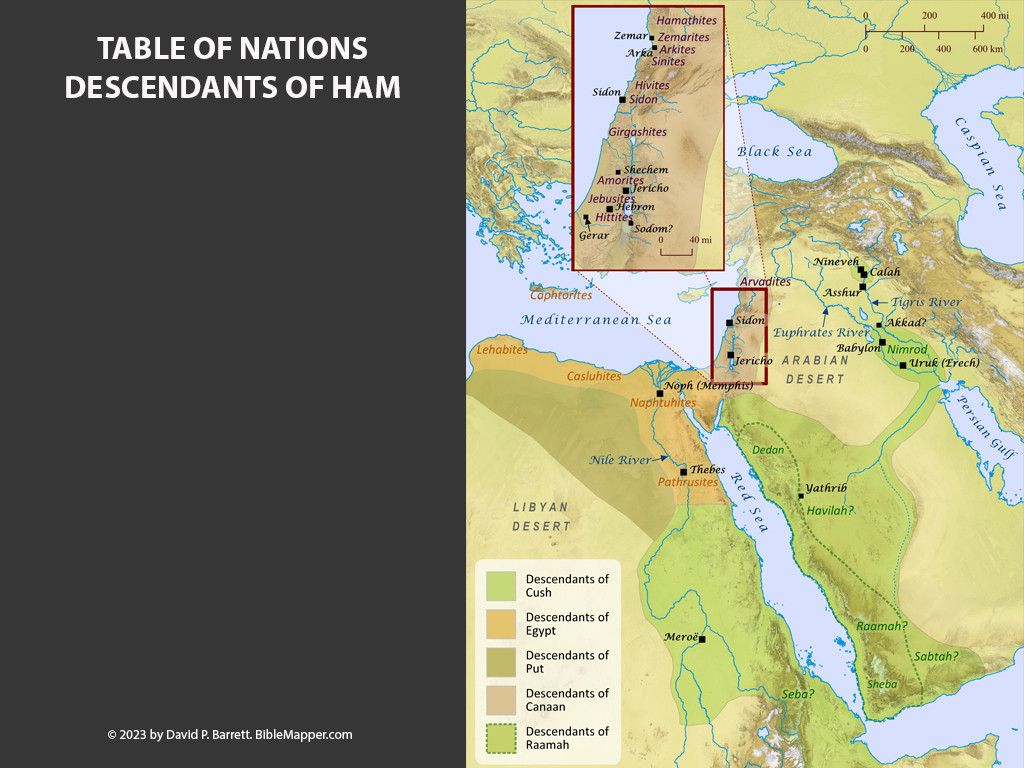
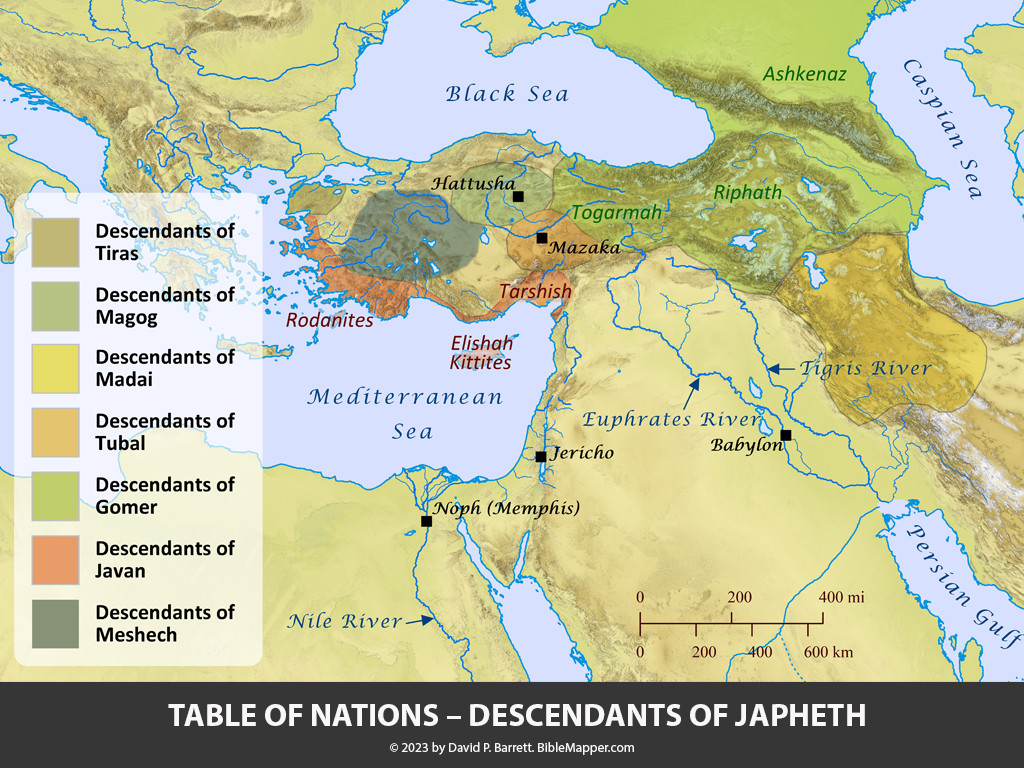
Let’s talk about Noah’s family. You’ve probably heard of the three sons: Shem, Ham, and Japheth. But there’s a lot more to their names and roles in the story than you might expect.
Ham Not exactly the most revered of the three brothers, his name doesn’t exactly evoke the best of images. Some translations of the name refer to it as “hot” or “protective wall,” while others even suggest a connection to skin color. There’s a lot to unpack here, but suffice it to say, Ham’s story takes a darker turn when we discuss the incident that occurs after the flood.
Shem Now, Shem is the one with the gold. His name means “fame” or “renown,” and he’s the ancestor through which the lineage of Yeshua (Jesus) comes. Shem is the one who teaches Abraham, and his name carries a great deal of weight in biblical history.
Japheth Japheth’s name is associated with formless expansion — a fitting descriptor for creation, as the flood marks a kind of “rebirth” or new creation for humanity. We don’t know as much about Japheth, but his role as a contributor to humanity’s expansion after the flood is significant.
Clean vs. Unclean Animals: Before the Law
One of the most common misconceptions is that Noah took two of every kind of animal onto the ark. However, the Torah actually says he took seven pairs of clean animals and only two of each unclean species. This detail often gets lost in the images we see of Noah’s ark, where most depictions show just pairs of animals walking up the gangplank. But the truth is a bit more nuanced. The clean animals were set apart for sacrificial purposes, which hints at the presence of dietary laws even before Moses.
And speaking of the laws, it’s worth considering how Noah and his family knew what was clean and unclean. Some argue that these food laws were introduced after the fall of man, but others believe they were part of the divine order from the start. After all, Noah would need to know the difference between clean and unclean long before Moses, right?
The Nephilim: Heroes or Tyrants?
The story of Noah raises many theological questions, and one of the most intriguing is the identity of the Nephilim. The Bible refers to them as the “heroes of old” (in the King James Version), and they were said to be the offspring of the sons of God and the daughters of men. This has led to all sorts of interpretations, ranging from giants to demigods, and even alien-like beings. Some speculate that the stories of these “heroes” gave rise to mythologies that persist today.
Interestingly, these Nephilim were not good guys. They were described as tyrants who led humanity down a path of corruption. They might even be the ancestors of many of the nations that the Israelites would later clash with. This idea of heroes or giants influencing culture makes you think about how modern-day heroes (think Avengers or Marvel) might be glorifying the same kind of characters — those who seek power and dominance. So when you see superhero movies, ask yourself: what kind of power and glory are these stories pointing to?
The Aftermath of the Flood: Noah, the Vineyard, and the Curse
Once the floodwaters receded, Noah became the first person in the Bible to plant a vineyard. You’d think that’s a sign of hope, right? But things took a strange turn. After Noah’s vineyard yielded its fruit, he got drunk and was found naked in his tent. And then… one of his sons, Ham, saw his father’s nakedness.
Now, the Bible doesn’t explicitly say what Ham did, but the incident has been the subject of much speculation. Some believe it refers to a sexual transgression, while others think Ham may have just mocked or disrespected his father. In any case, Noah curses Ham’s son, Canaan, for the act. The implications of this curse and the story of Noah’s drunkenness serve as powerful lessons about the importance of respect and responsibility within families.
The Giants, the Flood, and the Modern Day
One fascinating aspect of Noah’s story is the potential connection to ancient civilizations. Some believe the Nephilim — or these giants — may have contributed to advanced knowledge or even the creation of technologies that later became mythologized. Could these beings have been the source of many of the “ancient alien” theories we hear about today? It’s certainly an interesting angle to consider.
But the main takeaway here is that the flood was not just a natural disaster; it was a moment of divine intervention. It served to purify the world of corruption, including the genetic manipulation of humanity by the Nephilim. The flood also marks the beginning of a new era for humanity, one that would eventually lead to the birth of Israel and the calling of Abraham.
Conclusion: The Cycle of the Nations
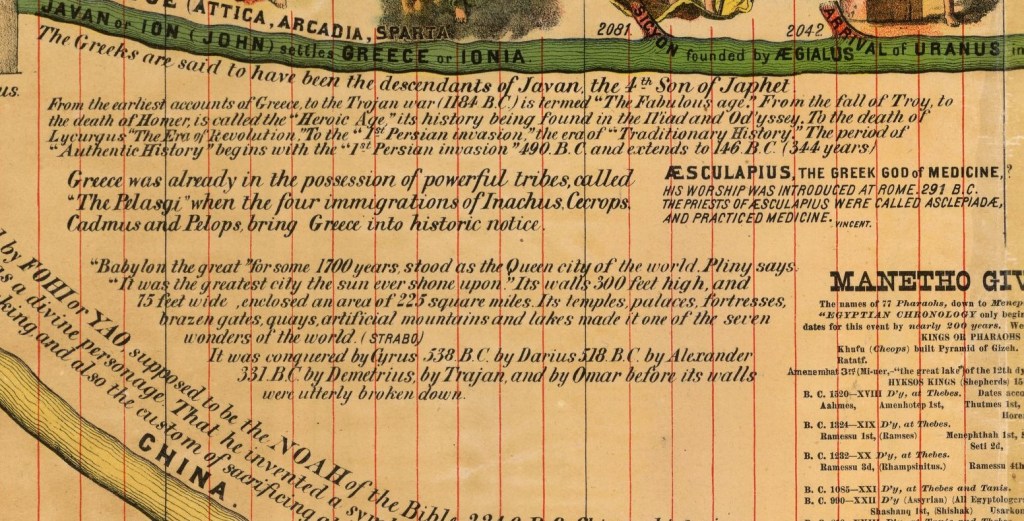
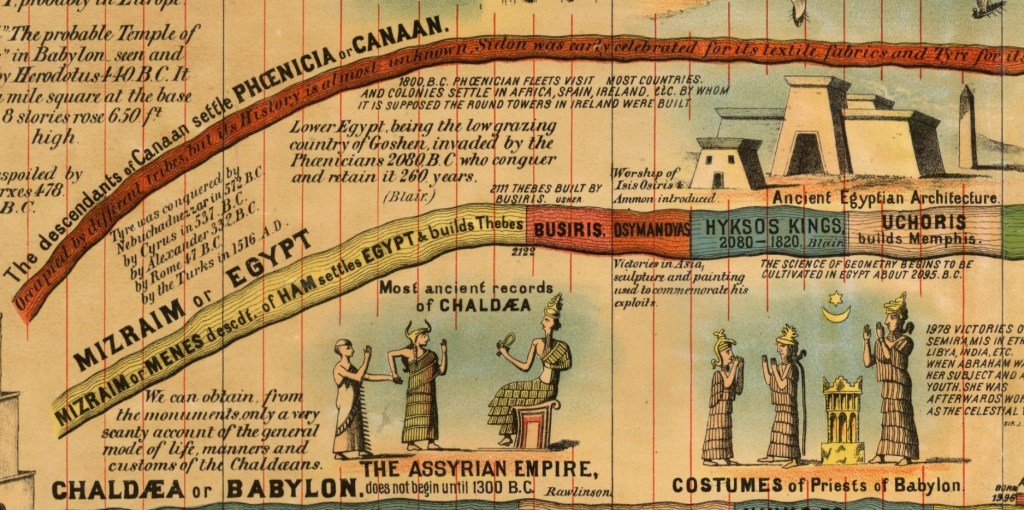
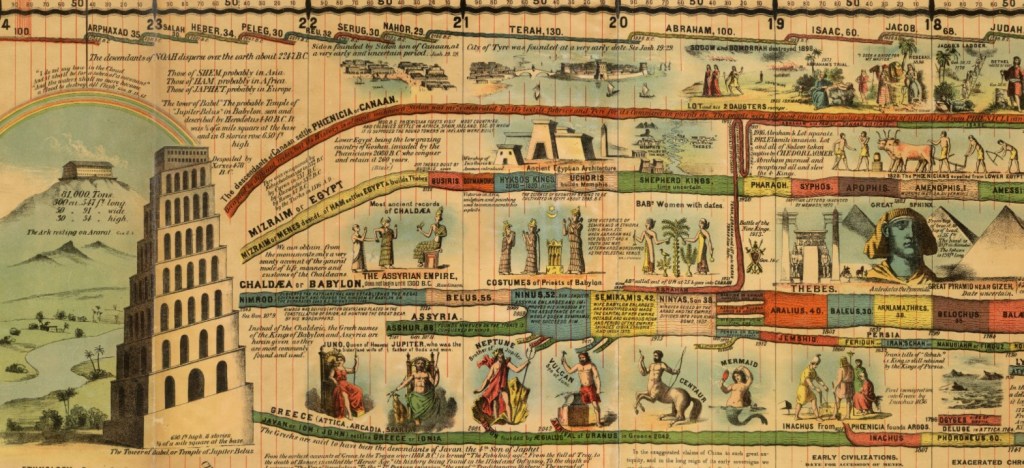
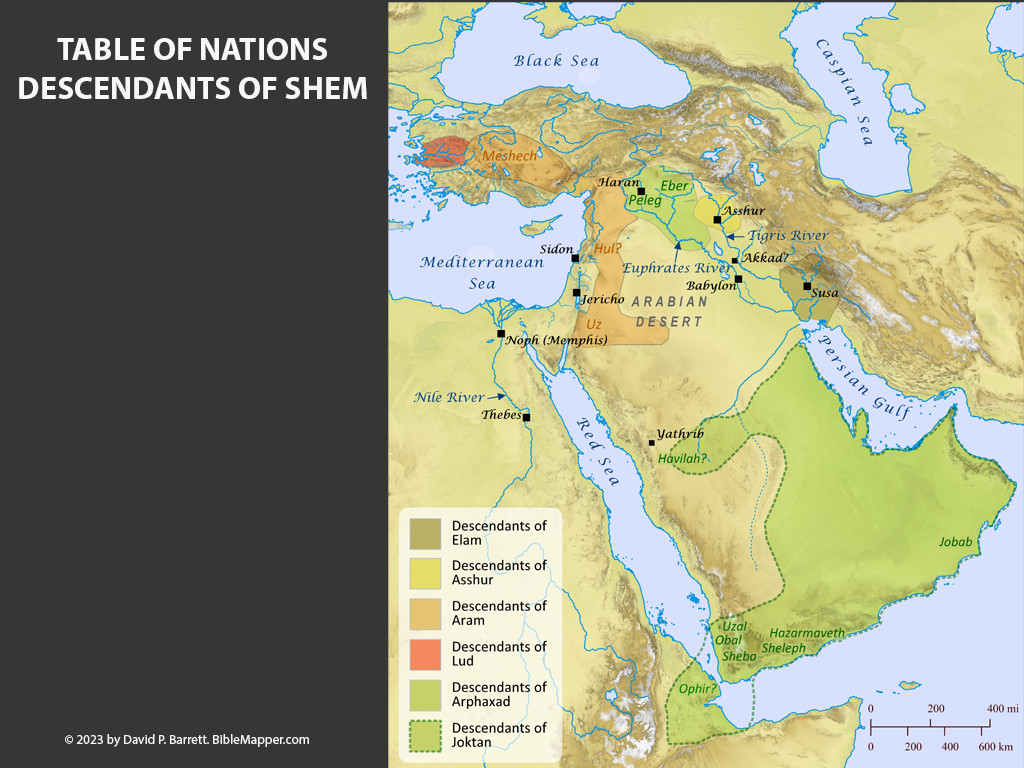
After the flood, humanity began to spread out again, and this is where the story shifts. The descendants of Noah’s sons, Shem, Ham, and Japheth, went on to become the founding nations of the world. This leads us into the Tower of Babel and the scattering of the people across the earth — an event that mirrors the dispersion we see later in history with the Jewish people.
It’s fascinating to consider that, much like in Noah’s time, there are today many people being “called out” of modern-day Babylon (or confusion), returning to the truth of Torah, just like Abraham was called to do. We live in a time where, just as in the days of Noah, there is an opportunity for a new beginning, a fresh start, and a return to what is righteous and true.


Leave a comment